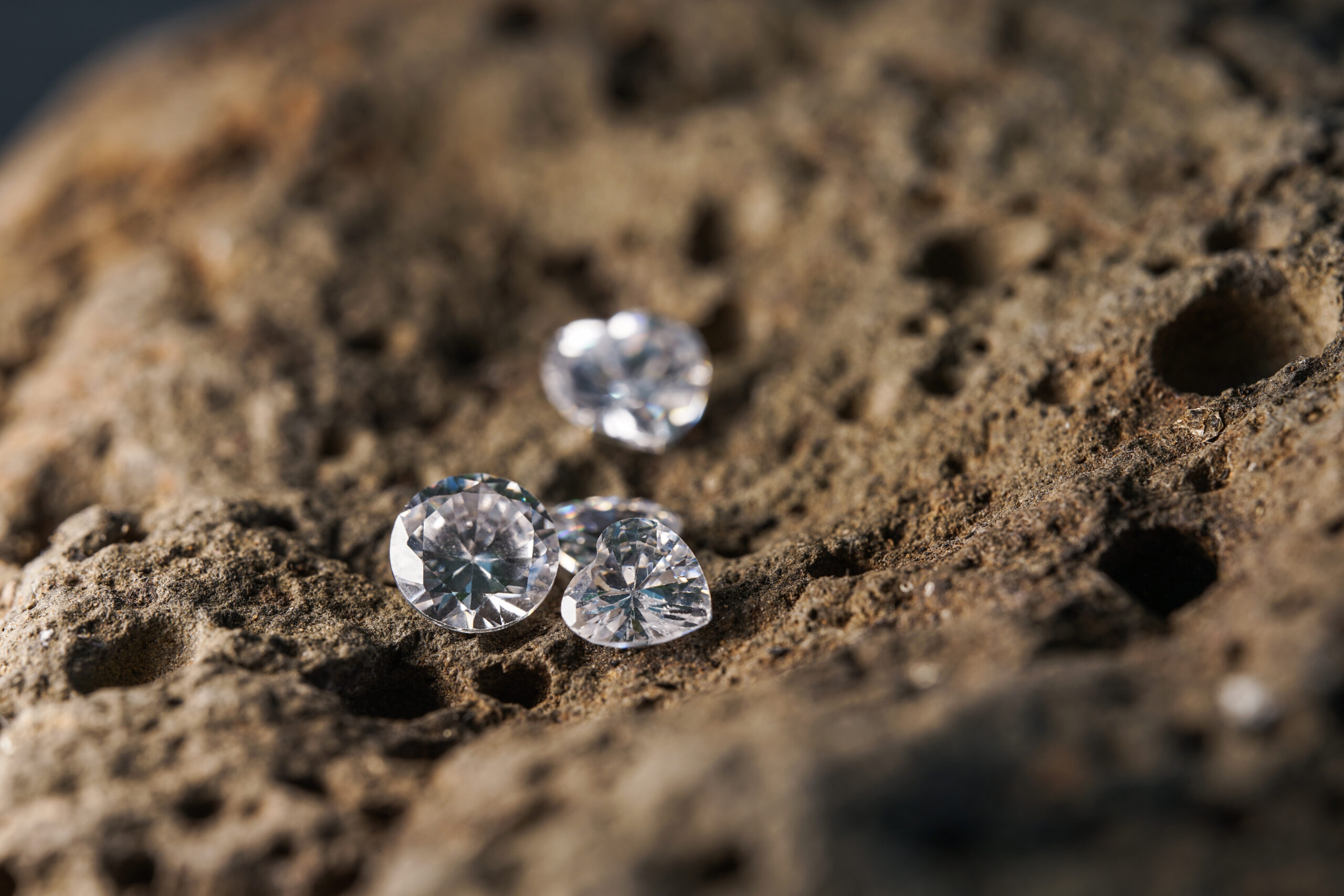







I’ve been working with diamonds for most of my adult life, and every now and then the industry throws something at you that shifts the ground a little. Lab grown diamonds were one of those moments. The first time I held one under the loupe, I had that mix of curiosity and skepticism you get when someone hands you a “new” version of something you thought you already understood. But there it was, bright and precise, with the same fire and sparkle as any stone I’d been grading for years.
Since then, I’ve watched Germany, of all places, become one of the most fascinating markets for these stones. You might not know this unless you’ve been following the trend closely, but German buyers are some of the most detail-focused, research-driven jewellery shoppers in the world. They do their homework. They ask the questions most people don’t think about. And because of that, Germany has quietly become a hotspot for anyone trying to buy lab grown diamonds Germany wide, whether for an engagement ring or a once-in-a-lifetime custom piece.
As a jeweller from Australia who occasionally travels for sourcing and exhibitions, I’ve had a front-row seat to how the industry in Europe is evolving. And honestly, the shift toward lab grown diamonds in Germany isn’t just a fad. It’s a proper movement, and a pretty thoughtful one at that.
Why Lab Grown Diamonds Appeal to German Buyers
There’s something about the German mindset I’ve always admired. It’s that blend of pragmatism and quiet appreciation for craftsmanship. When Germans shop for diamonds, they’re not usually after the flashiest piece in the room. They want quality, transparency, and long-term value.
That’s exactly why lab grown diamonds fit the bill so well.
You might be surprised to hear this, but lab grown diamonds are chemically and physically identical to mined diamonds. We’re talking same carbon structure, same hardness, same refractive qualities. The main difference is where they’re born. One grows below the earth over millions of years, and the other grows in a controlled lab environment that replicates those natural pressures and temperatures.
What German customers really like is the ethical and environmental angle. Many want the sparkle without the baggage. They want to know where their diamond comes from and the conditions it was produced under. And while the industry has made strides in traceability for mined stones, lab grown diamonds make the journey from origin to ring box a whole lot simpler and clearer.
Pricing: Where Things Get Interesting
If you’ve ever walked through a high-end jewellery district, you’ll know that diamond pricing can feel like stepping into a mystery novel. There’s the story you’re told and the story behind the story, and the trick is figuring out which one you’re actually buying.
Lab grown diamonds have shaken that up. The pricing is more transparent and more accessible, especially in Germany where shoppers compare, cross-check, and expect clarity from the get-go.
I’ve had customers tell me that they were able to get a lab grown diamond one or two carats larger than the mined diamond they originally budgeted for. It’s not because these stones are “cheaper” in a low-quality sense. It’s because lab production avoids the enormous costs and logistics of traditional mining.
And when you’re planning a proposal in Berlin, Hamburg, Munich, or Cologne, having a bit of financial breathing room can make the whole experience feel less stressful and more meaningful.
Germany’s Love for Minimalist Design Works Beautifully With Lab Diamonds
I remember visiting a jewellery studio in Frankfurt a couple of years ago. The designer showed me a collection of engagement rings that were so clean and understated they almost felt like architectural sketches. Think thin platinum bands, bezel settings, and stones that seemed to float above the finger.
That minimalist aesthetic has become almost iconic in modern German jewellery, and lab grown diamonds slip straight into that design language. A lot of customers want a stone that’s high clarity and excellent cut because, in minimalist rings, you can’t hide imperfections behind an elaborate setting.
Lab grown diamonds make those top-tier specs far more attainable.
A Quick Note on Where to Buy
A lot of readers ask me where they should look first, especially if they’re new to the idea of lab grown stones. If you’re looking to buy lab grown diamonds Germany wide, one of the smoother experiences I’ve seen recently is through reputable online retailers who spe:
What I’ve noticed is that German buyers appreciate having full control over the specs, the certification, and the design. The more transparent the process, the better.
Certification Matters More Than Marketing
Let me tell you a quick story. Years ago, before lab grown diamonds really hit the mainstream, I had a customer who bought a gorgeous stone in Antwerp that came with what looked like an official certificate. Except, the “Certifying Institute” didn’t actually exist. Someone had made it up. The buyer wasn’t too happy when they realised, and looking back, it was a reminder that you should always check who’s doing the grading.
When it comes to lab grown diamonds, certification is still vital. Reputable stones usually come with grading from IGI or GIA, two of the world’s most trusted gem labs. If you’re shopping in Germany, you’ll see these names often, and that’s a good thing.
One benefit of lab grown stones is consistency. The grading tends to be more uniform because the stones grow under controlled conditions. So if you order a 1.2-carat VS1 ideal cut diamond, you can trust that’s exactly what you’re getting.
The Sustainability Question (And the Real Story Behind It)
A lot of people assume lab grown diamonds automatically equal “eco-friendly”. I wish it were that simple. The reality is more nuanced.
Lab production uses a lot of energy, and depending on where the lab is located, that energy might come from renewable sources or from fossil fuels. Some producers in Europe and North America now run fully on hydro or solar energy, which is fantastic. Others are still transitioning.
German shoppers tend to be pretty aware of this. In my conversations with jewellers in Munich and Stuttgart, there’s a growing emphasis on producers who disclose their energy sources. Customers are starting to ask questions like, “Which lab grew this stone?” and “What’s their sustainability record?”
And honestly, I welcome that shift. It keeps everyone accountable, and it pushes the industry forward.
How Lab Grown Diamonds Are Changing Engagement Culture
Here’s something I didn’t expect: lab diamonds aren’t just changing what people buy but how they approach the engagement-ring tradition altogether.
I’ve spoken to couples who designed their rings together because the lower cost freed them from the pressure of “getting it right alone.” Others told me they were able to invest more in the wedding or their first home because they saved money on the ring.
There’s a practical warmth to the way German couples think about these decisions. It’s not about downgrading romance. If anything, it’s about making the ring a more personal and thoughtful symbol.
Caring for Lab Grown Diamonds
If you’ve ever cleaned a diamond that’s been worn daily, you’ll know how quickly lotions, soaps, and street dust can dull its surface. Luckily, diamonds are tough, and caring for them isn’t complicated. A simple soft-bristle brush and warm soapy water do the trick.
Here’s a handy resource on caring for lab diamonds that I’ve recommended befor
Whether your stone is mined or lab grown, the care routine is the same, which surprises a lot of new buyers.
The Future of Lab Grown Diamonds in Germany
If I had to place a bet on where the industry is heading in Germany, I’d say this shift is only just beginning. The demand has been growing steadily year after year, and younger buyers in particular seem to gravitate toward lab grown stones without hesitation.
Jewellery trends in Germany tend to be slow, steady, and long-lasting rather than flashy or fast-moving. So when something catches on, it usually sticks around for a while.
I expect more brick-and-mortar jewellers to expand their lab grown collections. I’m also seeing more custom designers experimenting with bold shapes and coloured lab grown diamonds, which are easier to source than their mined counterparts.
A Final Thought
Working in jewellery teaches you a lot about people. You might think it’s all sparkle and sales talk, but at the heart of it, you’re dealing with moments people will remember for the rest of their lives. Proposals, anniversaries, milestones, fresh starts.
That’s why I find the rise of lab grown diamonds in Germany genuinely exciting. It’s not just about new technology or better pricing. It’s about giving more people access to something meaningful, without compromising on beauty or ethics.
So if you’re considering a diamond and you’re open to something modern, thoughtful, and surprisingly beautiful, lab grown might just be the direction to explore. And if Germany is where you’re shopping, you’re in a pretty good place to start.