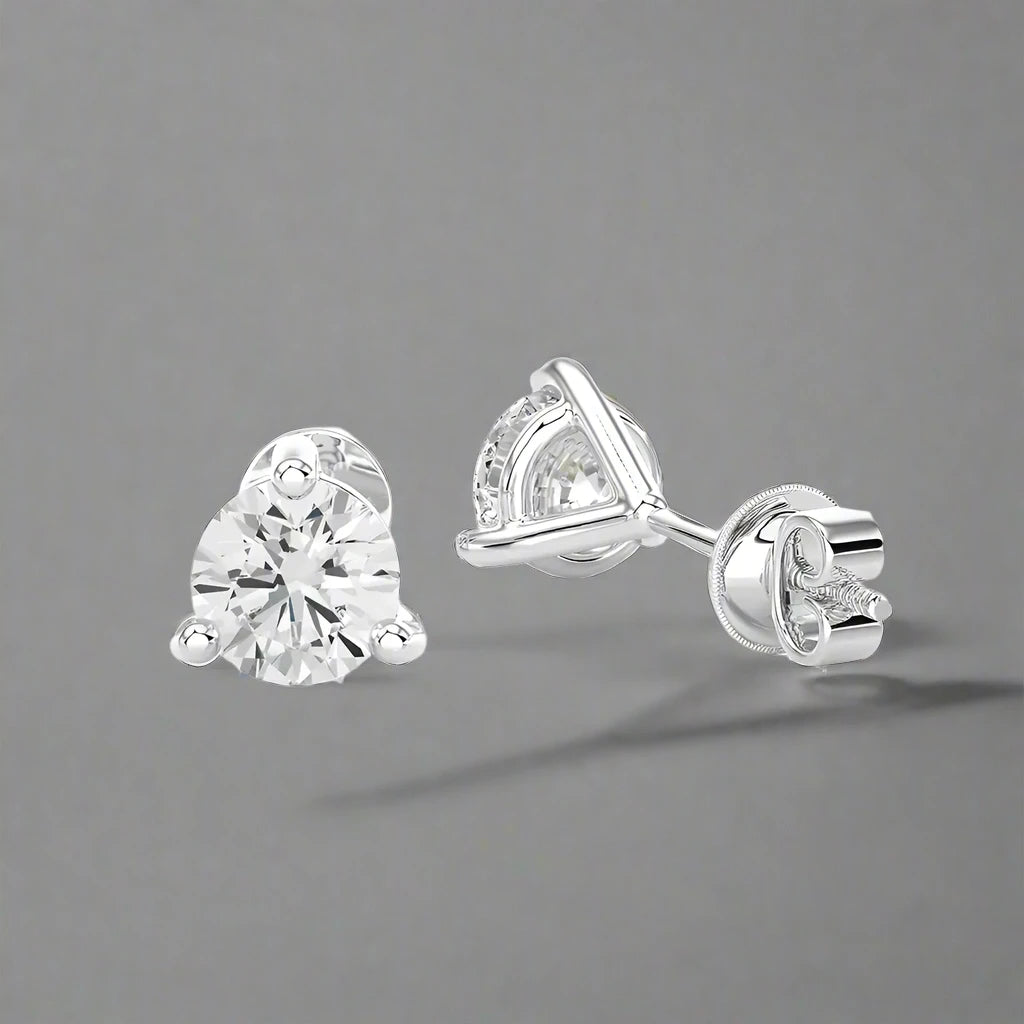







A lab grown diamond is not an imitation. It is not a substitute. It is a diamond formed from carbon atoms arranged in the same crystal structure as a mined stone. The difference lies only in origin.
Instead of forming deep underground over millions of years the crystal grows in a controlled lab environment. The result is the same material at a molecular level. Same hardness. Same light behavior. Same grading standards.
If you are asking whether it is real the answer is yes. Gem labs test these stones using the same criteria used for mined diamonds. They are graded for cut color clarity and carat weight. They are certified. They are traceable.
What changes is not the diamond. What changes is the process and the impact around it.
How Lab Grown Diamonds Are Made
There are two primary methods used today. Both rely on science not shortcuts.
CVD method
Chemical vapor deposition starts with a thin diamond seed. Carbon rich gas is heated until carbon atoms break free and bond to the seed layer by layer. Growth is slow. Control is precise. This method allows fine tuning of clarity and color.
HPHT method
High pressure high temperature replicates natural conditions using extreme heat and pressure. Carbon melts around the seed and crystallizes as it cools. This approach was developed earlier and is still widely used.
Both methods require time expertise and monitoring. Neither is instant. Neither is cheap to do correctly.
A useful way to think about it is this. Nature uses time and pressure. Labs use energy and control.
Why Brands Tell Their Origin Stories
When you see brands share their origins it is not about drama. It is about accountability.
The Novita lab diamonds story exists because buyers now ask harder questions. Where was this made. Who made it. Under what conditions. What was avoided.
These questions matter because traditional diamond supply chains are complex and often opaque. Lab based production replaces distance with visibility.
When a company builds its identity around lab grown diamonds it is committing to consistency. There is no mixing of sources. There is no ambiguity about origin.
For you as a buyer this removes guesswork.
Cost Differences and What You Actually Pay For
Lab grown diamonds typically cost less than mined stones of the same grade. The reason is structural not promotional.
Mining requires exploration heavy machinery fuel transport and long intermediary chains. Lab production concentrates cost into energy equipment and skill.
You are not paying for rarity created by geology. You are paying for precision.
This matters when budgeting. It allows you to choose higher cut quality or larger size without inflating cost. It also changes how you evaluate value.
Instead of asking how rare it is ask how well it is made.
Ethics Without Abstractions
Ethics is often discussed in vague terms. Here it becomes practical.
Lab grown diamonds remove risks tied to unsafe labor and conflict financing. Production happens in regulated facilities. Supply chains are shorter and easier to audit.
This does not make every lab diamond ethical by default. Energy sources still matter. Labor standards still matter.
What changes is that verification becomes possible.
If a brand cannot explain its process clearly that is a signal. Transparency is not optional in this category.
How to Evaluate a Lab Grown Diamond Before You Buy
Do not rely on labels alone. Use the same discipline you would use for any diamond purchase.
- Ask for certification from a recognized gem lab
- Review cut proportions not just shape
- Check growth method disclosure
- Confirm post growth treatments if any
- Compare stones under neutral lighting
Example. Two diamonds can share the same carat weight and clarity grade yet perform very differently in light. Cut precision determines brilliance not origin.
What Lab Grown Diamonds Change for You
The shift is subtle but important.
You gain control. Over budget. Over size. Over sourcing. Over timing.
You lose the mythology tied to scarcity. What replaces it is choice.
For many buyers this aligns better with how they already make decisions. Informed. Intentional. Measured.
This is why interest continues to grow. Not because trends change but because expectations do.
Frequently Asked Questions
Are lab grown diamonds durable for daily wear
Yes. They rank the same on the Mohs scale as mined diamonds. Daily wear durability is identical.
Can a jeweler tell the difference without equipment
No. Visual inspection alone cannot distinguish origin. Specialized instruments are required.
Do lab grown diamonds hold resale value
Resale depends on market demand and cut quality. Origin is one factor but not the only one. Quality documentation matters most.
.jpg "The Smart Choice: Why You Should Buy Lab Grown Diamonds")