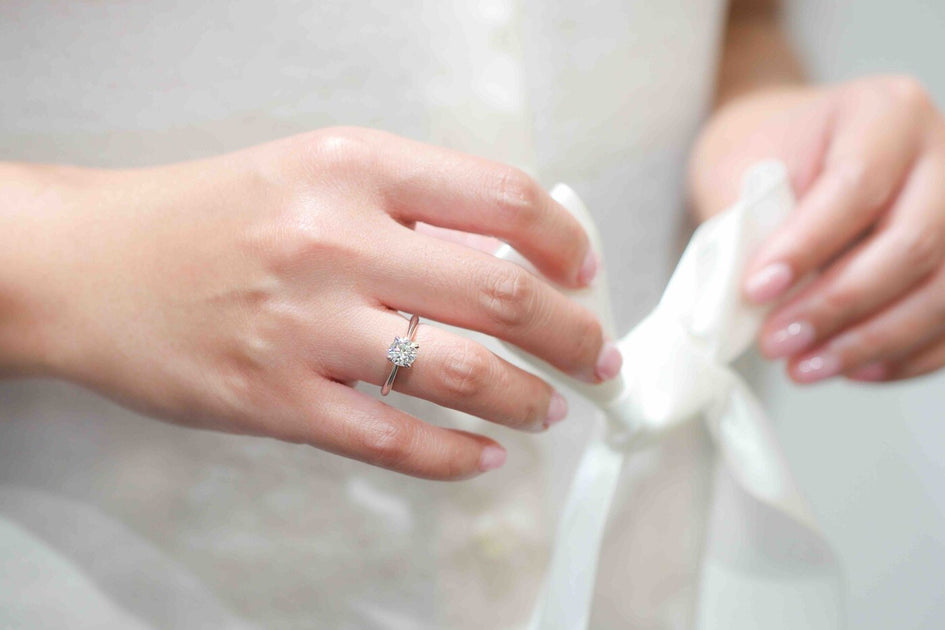





A ring can look beautiful in a display case and still feel unsuitable once you imagine wearing it every day. Perhaps the setting sits too high, the band feels too delicate, or the stone does not quite match your taste. These details explain why some buyers prefer having a ring made around their own preferences rather than selecting an existing design.
Custom rings give people greater control over the appearance, materials and proportions of their jewelry. In Germany, this approach can be particularly appealing to couples planning an engagement or wedding, as well as individuals looking for a personal piece that reflects their style.
However, a successful design involves more than choosing a gemstone and a metal. Decisions about stone dimensions, setting construction, comfort and future maintenance all deserve attention before production begins.
Start With the Shape and Character of the Ring
The outline of a ring establishes much of its visual character. A traditional round diamond creates a familiar appearance, while an oval stone produces a longer silhouette across the finger. Emerald-cut diamonds have broad, open facets that reveal the stone’s clarity more readily, making clarity selection especially relevant.
Other shapes create different effects:
- Pear cut: A tapered outline that can make the finger appear longer.
- Cushion cut: Soft corners and a rounded square or rectangular shape.
- Radiant cut: A rectangular or square outline with brilliant-style faceting.
- Princess cut: A square shape with a distinctly geometric appearance.
The proportions matter as much as the shape. For example, two oval diamonds with the same carat weight can look noticeably different if one is longer and narrower than the other.
Buyers should ask to see the stone’s actual measurements, particularly its length-to-width ratio. Carat weight describes mass, not the exact dimensions visible from above.
Matching Lab-Grown Diamonds With the Setting
Lab-grown diamonds offer another option for personalized jewelry. They have the same fundamental chemical composition and crystal structure as mined diamonds, although their origins differ.
When selecting a centre stone, the familiar four Cs remain relevant: cut, colour, clarity and carat weight.
Cut deserves particular attention because it influences how effectively a diamond handles light. A larger stone does not automatically appear brighter. Poor proportions or a less effective cut can affect its visual performance, even when its carat weight is attractive.
The setting should complement the diamond rather than compete with it.
Solitaire settings keep attention on one central stone and generally suit buyers who appreciate uncomplicated designs. Halo settings surround the centre diamond with smaller stones, creating additional visual coverage. Pavé bands introduce smaller diamonds along the ring’s surface, although they require attention during cleaning and occasional maintenance.
A bezel setting offers a different practical advantage. Its metal rim surrounds the diamond’s edge, providing additional protection compared with exposed prongs. This can be worth considering for someone who frequently uses their hands throughout the day.
Choosing Precious Metals for Everyday Wear
The metal influences colour, man made diamonds and the overall appearance of a ring.
In the German jewelry market, gold fineness markings can help buyers understand what they are purchasing. For example, 585 gold contains 58.5% pure gold, while 750 gold contains 75%. Platinum 950 contains 95% platinum.
Each option has different characteristics.
- Yellow gold: Provides a warm appearance and works well with both traditional and contemporary diamond designs.
- White gold: Offers a cooler finish. Some white gold jewelry uses rhodium plating, which may require renewal over time.
- Rose gold: Has a pinkish tone created through its alloy composition.
- Platinum: A naturally white precious metal with substantial density and good resistance to everyday wear.
Metal choice should also account for the intended band thickness. A very narrow band may look delicate, but it can be less suitable for a large centre stone or someone who wears their ring constantly.
Personal Details That Make a Design Feel Individual
Customization does not require an unusual shape or elaborate decoration. Sometimes, a small design decision gives a ring its personal character.
A hidden halo, for instance, places small diamonds beneath the centre stone rather than around its visible outline. This creates additional detail from a side angle without changing the traditional appearance from above.
Other possibilities include:
- Engraving a meaningful date, initials or short message inside the band.
- Choosing a particular prong shape to change how the centre diamond is presented.
- Incorporating a coloured gemstone alongside a diamond.
- Adjusting the band width to suit the wearer’s hand.
- Adding a subtle design detail that connects the engagement ring with a wedding band.
Buyers considering custom rings can use these design choices as a starting point when discussing their preferred appearance, materials and gemstone specifications.
One detail worth resolving early is wedding-band compatibility. A ring with a low-set centre stone or a distinctive basket may prevent a straight wedding band from sitting flush against it. A curved or shaped band can solve this, but it should be considered during the original design rather than as an afterthought.
Getting the Practical Measurements Right
A carefully selected design can still disappoint if the finished ring does not fit comfortably.
In Germany, ring sizes are commonly expressed using the inner circumference in millimetres. For example, a ring with an internal circumference of approximately 54 mm is generally referred to as size 54.
Finger measurements can change with temperature, time of day and other everyday conditions. Measuring more than once can help avoid an unnecessarily tight or loose fit.
Band width also affects how a ring feels. A wider band usually requires more room than a narrow one, even when both are intended for the same finger. Anyone ordering a wide or unusually shaped design should ask the jeweler how the sizing will account for this difference.
For online orders, it is sensible to confirm the available sizing method, adjustment options, production timeline and return conditions before approving the design.
What to Check Before Approving the Final Design
The design stage is the right time to clarify technical details. A written specification helps prevent misunderstandings between the buyer and the jeweler.
Before production, request confirmation of:
- The centre diamond’s shape, carat weight, measurements, colour and clarity.
- The grading laboratory and the availability of its diamond report.
- The precious metal and its fineness.
- The ring’s dimensions, including band width and thickness.
- The setting style and method of securing the stone.
- The engraving details, if applicable.
- The expected completion and delivery arrangements.
For significant diamond purchases, independent grading documentation from a recognised laboratory can help verify the stone’s stated characteristics. Buyers should check that the report corresponds to the actual diamond being supplied.
A custom design also benefits from a clear visual approval stage. A detailed drawing or digital rendering can help identify differences in stone height, band proportions and setting appearance before the jeweler begins making the piece.
The most successful personalized rings are not necessarily the most complicated. A well-proportioned diamond, a secure setting, a comfortable band and carefully chosen details can create a piece that feels personal without sacrificing practicality. Taking time to settle these specifications makes the finished design easier to enjoy for years to come.